Smartphones, smartwatches, and voice assistants have transformed how connected devices fit into people’s everyday routines. Their adoption brings both ease and subtle new habits to daily life.
People now multitask, stay updated, and manage schedules from virtually anywhere. However, these changes come with learning curves. Families and individuals may struggle to balance focus with constant digital notifications.
Some still believe that how connected devices only add convenience. In reality, there are deeper shifts in time management, social connections, and lifestyle choices that many overlook at first.
This article explores how connected devices are rewriting routines. You’ll see real examples and gain practical steps to harness technology for a more balanced life.
How Technology Embeds into Daily Habits
Connected devices enhance routine activities by automating reminders, streamlining communication, and centralizing information. This seamless integration makes many tasks more efficient.
For example, wearable trackers log health metrics while alerting users to important appointments or weather changes. These features slowly become essential parts of daily planning.
Optimizing Morning Routines
Many set smart alarms linked to lights or music. A smart display reads out the news, commute estimates, and calendar items while users eat breakfast or get dressed.
Counterintuitively, fewer manual tasks sometimes cause people to oversleep or get distracted by device notifications. Missing important appointments may follow.
Recovery script: If you oversleep, say, “Hey device, reschedule my first meeting and set my main tasks for the day.” This keeps your schedule moving.
Smart home assistants can help manage the shift, but finding balance requires awareness of how connected devices might fragment attention even while increasing efficiency.
Staying Organized Throughout the Day
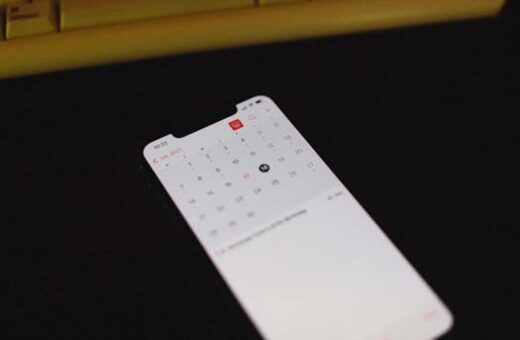
Productivity apps sync seamlessly across phones, tablets, and laptops. It’s simple to keep to-do lists, coordinate meetings, and check emails wherever you are.
Most people bounce between apps, missing out on built-in features like unified reminders and real-time note syncing. Using integrated tools usually conserves focus and time.
Step sequence: Set all your devices for synchronized reminders, keep task lists updated centrally, and enable cross-platform notifications for time-sensitive actions only.
This approach fosters smoother workflow without digital clutter. Ultimately, utilizing core built-in tools beats relying on many separate applications.
Maximizing Flexibility While Avoiding Digital Fatigue
Flexibility is a clear outcome of how connected devices support remote work and blended leisure time. Setting boundaries is crucial to sustain this perk.
People benefit from being able to start or end their workday at different locations or hours. Connectivity gives remarkable freedom and control over schedules.
Creating Structured Work-From-Anywhere Routines
Install collaboration apps on every relevant device and schedule protected focus windows. Use calendar sharing so coworkers or family know your work blocks.
Upon setup, refine permissions for notifications and information sharing. Avoid giving unnecessary access to personal calendars or files, balancing connectivity with privacy.
First session: Try a 30-minute period where all devices are set to work mode. Observe how fewer disruptions occur, paving the way for deep work sessions.
Stop doing this: Don’t enable alert sounds for every new message. Prioritize channels and mute non-work apps during critical hours to avoid distraction and fatigue.
- Sync your devices’ work calendars and double-check sharing settings. Clear communication helps avoid scheduling conflicts and confusion for team members or family.
- Prioritize app notifications based on importance – urgent only for work. This limits overload and sharpens your focus throughout packed days.
- Customize do-not-disturb periods to protect rest and family time. Use automation to pause distractions during meals, workouts, or wind-down routines.
- Check security and privacy permissions regularly. Disallow apps that want excessive data access. Update passwords on all primary connected devices for safety.
- Review progress at week’s end by running a digital wellness check. Look for signs of device fatigue and adjust boundaries to maintain balance over time.
Ignoring boundary-setting can lead to exhaustion or missed deadlines. If that happens, plan a device reset day and review settings to restore smart usage habits.
Strengthening Social Bonds and Digital Safety
Proactive communication and privacy measures result in safer connections. Social platforms and messaging apps reinforce relationships, even across distances.
People use shared calendars, video calls, and group chats to celebrate events or coordinate plans. These digital touchpoints create ongoing, meaningful interactions.
Building Trust in New Digital Spaces
Create a balanced profile that includes both fun highlights and professional interests. This attracts genuine connections in both social and networking apps.
Do: Post regular updates, use clear profile photos, and engage in meaningful conversations. Don’t: Overshare sensitive personal details or location data.
Use the “two-thread opener” method: Start with a message on a shared hobby and another on a current event. This keeps digital discussions lively and engaging.
Counterintuitive rule: Profiles with moderate activity stand out more than those posting constantly. Less noise equates to more authentic digital relationships.
Practicing Privacy and Digital Respect
Regularly adjust privacy settings. Limit post visibility and personalize who can see your schedules or check-ins to trusted circles only.
Know the report/block flow: If something makes you uncomfortable, navigate to the app menu, select the contact, then choose block or report as needed.
Boundary-setting message script: “I appreciate our connection, but I need to keep this space safe. Please understand if I don’t share certain details.”
Staying safe means understanding your platform’s tools and limits. Proactive boundaries reinforce the positive impact of how connected devices enrich relationships.
Smart Home Integration: Making Everyday Tasks Simpler
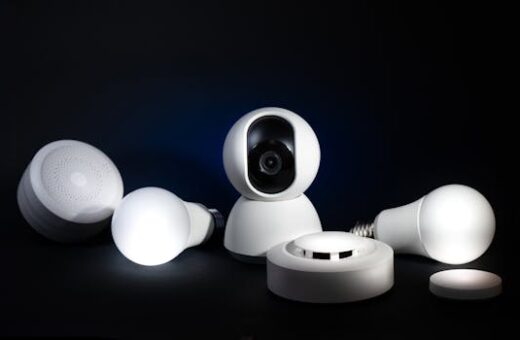
Enabling smart home features like thermostats, lighting, and appliances for automation yields daily convenience, energy savings, and smoother routines.
Setting devices to anticipate habits – like preheating the oven on your commute or turning off lights automatically – transforms what used to require manual effort.
Custom scenes blend several actions. For example, a “Goodnight” routine dims all lights, locks doors, and plays calming sounds according to your preferred schedule.
Yet, depending on devices for crucial tasks can backfire. If your network goes down, traditional backups are vital to avoid stress.
Evaluate integration options carefully to match genuine needs. Choose compatible devices and test automations gradually for a hassle-free transition to connected living.
| Smart Home Function | Daily Benefit | Backup Option |
|---|---|---|
| Thermostat Automation | Customized room comfort every morning | Manual wall control remains accessible |
| Voice-Activated Lights | Instant lighting changes | Physical light switches always usable |
| Smart Locks | Keyless entry and security logs | Traditional key as fallback |
| Automated Appliances | Scheduled cooking and cleaning | Manual start buttons on devices |
| Remote Security Cameras | Peace of mind away from home | Direct viewing on device with local storage |
Work and Study: Productivity on the Move
Connected technology supports remote and hybrid work, as well as flexible study schedules. It reshapes learning, collaboration, and project management across industries and age groups.
Shared online documents, group chats, and video meetings keep team members aligned. Each member can access updates quickly, even from different locations or time zones.
Educational platforms adapt study content based on a learner’s pace. Homework reminders and instant feedback help students stay on track outside traditional classroom settings.
Subscription-based apps for note-taking, time tracking, and mind mapping magnify organizational skills. They enable smarter, not harder, approaches to workflow.
Carefully planning device time prevents burnout. Breaks between sessions, and device-free zones at home, restore focus and bolster long-term productivity gains.
- Collaborate using shared folders and real-time docs. Assign clear task ownership, so everyone knows their responsibilities before deadlines arrive.
- Include group calendar invites for projects, homework, or study cycles. This ensures meetings and deadlines sync across personal and work devices without confusion.
- Limit chat app connections to relevant channels to prevent overload. Favor direct communication for urgent updates instead of group-wide notifications.
- Block off non-negotiable break periods in calendars. Notify teammates these are device-free times to foster a healthy team rhythm.
- Perform a weekly review of task management apps. Archive finished projects, note what worked, and clear out redundant records for a clutter-free digital space.
Health, Wellness, and Lifelong Habits
Health tracking is a standout impact of how connected devices influence routines. They help monitor exercise, sleep, hydration, and mental wellness for all ages.
Popular fitness trackers measure step goals and sync with nutrition or meditation apps. Consistent daily use transforms short-term fitness pushes into sustainable wellbeing changes.
Smart bands send gentle sleep reminders or advise on stress management during demanding workdays. Over time, these nudges shape the foundation for lifelong healthy routines.
Cautiously adjust device use to avoid hyper-awareness or obsession with stats. Metrics should inform, not dictate, your choices. Always set achievable, personally meaningful targets.
The real strength of health-focused devices lies in supporting gentle, continuous improvement. Overreliance or comparison with others can erode the benefits if left unchecked.
| Device/Feature | Primary Routine Support | Potential Pitfall |
|---|---|---|
| Fitness Tracker | Counts daily steps and sleep cycles | Obsession with hitting arbitrary goals |
| Smartwatch Reminders | Sends hydration/movement alerts | Excessive notifications can become distracting |
| Meditation Apps | Guide relaxation and reduce stress | Neglecting real breaks between work sessions |
| Connected Scales | Monitors weight changes over time | Comparing numbers rather than trends |
| Sleep Coaches | Analyze patterns for better rest | Relying solely on tech instead of addressing habits |
Anticipating the Next Wave of Routine Changes
Artificial intelligence is raising the potential for connected devices to become even more proactive in shaping routines, customizing recommendations with unprecedented precision.
Home and work automation will grow as predictive algorithms learn user habits, adjusting device responses to save time and streamline decision-making behind the scenes.
Voice controls, gesture recognition, and wearable sensors point toward a future where how connected devices adapt instantly to mood or context. The home becomes a true partner in daily living.
At the same time, new ethical questions about data privacy and screen time management are emerging. Users, families, and organizations must weigh the value of convenience against these concerns.
Staying informed about connected technology trends will help you harness their benefits while sidestepping potential drawbacks for a routine that truly reflects your values and goals.
Conclusion
Setting up devices for synchronized schedules, privacy, and wellness monitoring cultivates more streamlined routines without overwhelming your day or mind.
Each strategy works because it balances automation and personal boundaries, making technology serve your needs rather than the other way around for real-life improvements.
Overreliance on notifications or skipping device reviews can undo progress. Prevent this by routinely auditing settings and consciously resetting boundaries as circumstances change.
Start your connected routine today: Review your main device settings, set clear notification limits, and choose one positive automation to support a healthier, more productive daily flow.